Every successful event relies on more than logistics and timing—it relies on the physical materials that shape how the experience is seen, navigated, and remembered.
When executed well, event print does two things at once: it supports the function of the event and elevates the environment it exists in. The goal isn’t just to inform—it’s to create clarity, consistency, and a stronger overall presence.
Below are the core print categories that make up a well-executed event environment, along with how material choices directly impact both performance and presentation.
1. Event signage
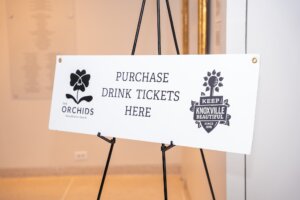
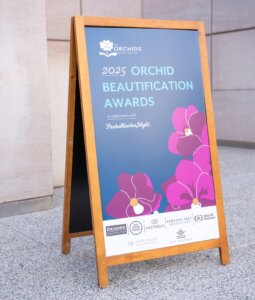
Signage is one of the most critical components of any event environment. It provides structure for navigation while also establishing the visual tone of the space.
Common applications include:
- Entrance and welcome signage
- Directional and wayfinding systems
- Stage and session identification
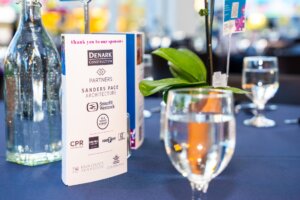
- Sponsor recognition signage
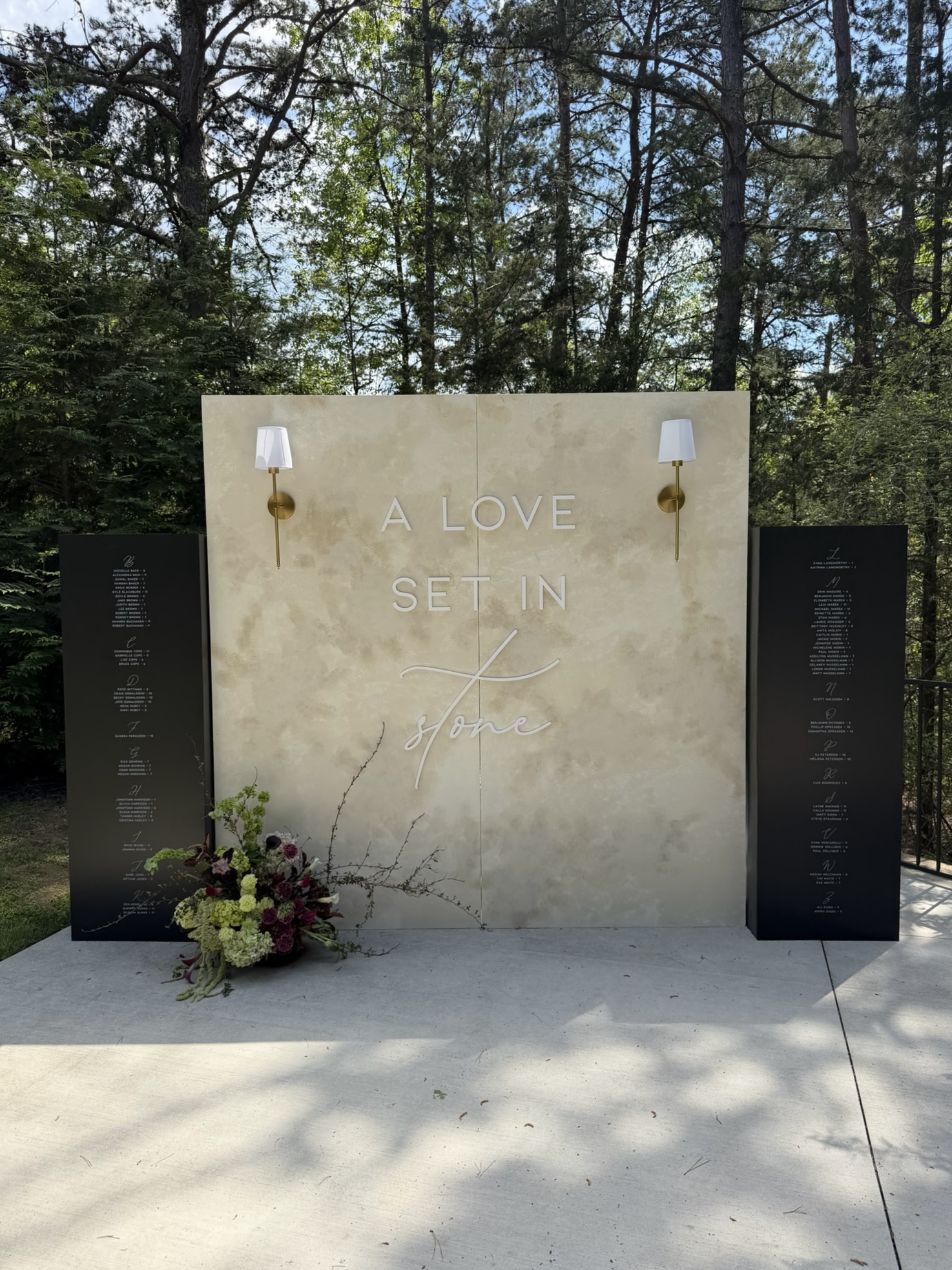
- Branded backdrops and photo displays
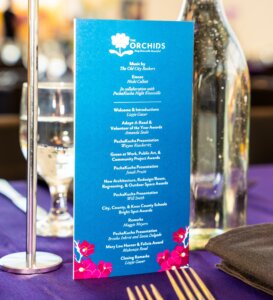
2. Programs, agendas, and schedules
Printed programs and schedules provide the framework for how attendees move through the event. They organize content, guide timing, and support deeper engagement with speakers and sessions.
Common applications include:
- Event programs or booklets
- Agendas and daily schedules
- Speaker lineups and bios
- Track or breakout overviews
3. Branded handouts and informational materials
These materials extend the messaging of the event beyond the session itself and provide attendees with content they can reference later.
Common applications include:
- Brochures and informational packets
- Product or service overviews
- Speaker or sponsor materials
- Event summaries and key takeaways
4. Registration and on-site materials
Registration materials are often the first physical interaction attendees have with an event, making them a key touchpoint for both function and perception.
Common applications include:
- Check-in signage and entry systems
- Name badges and credentials
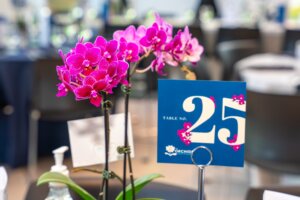
- Table numbers and seating markers
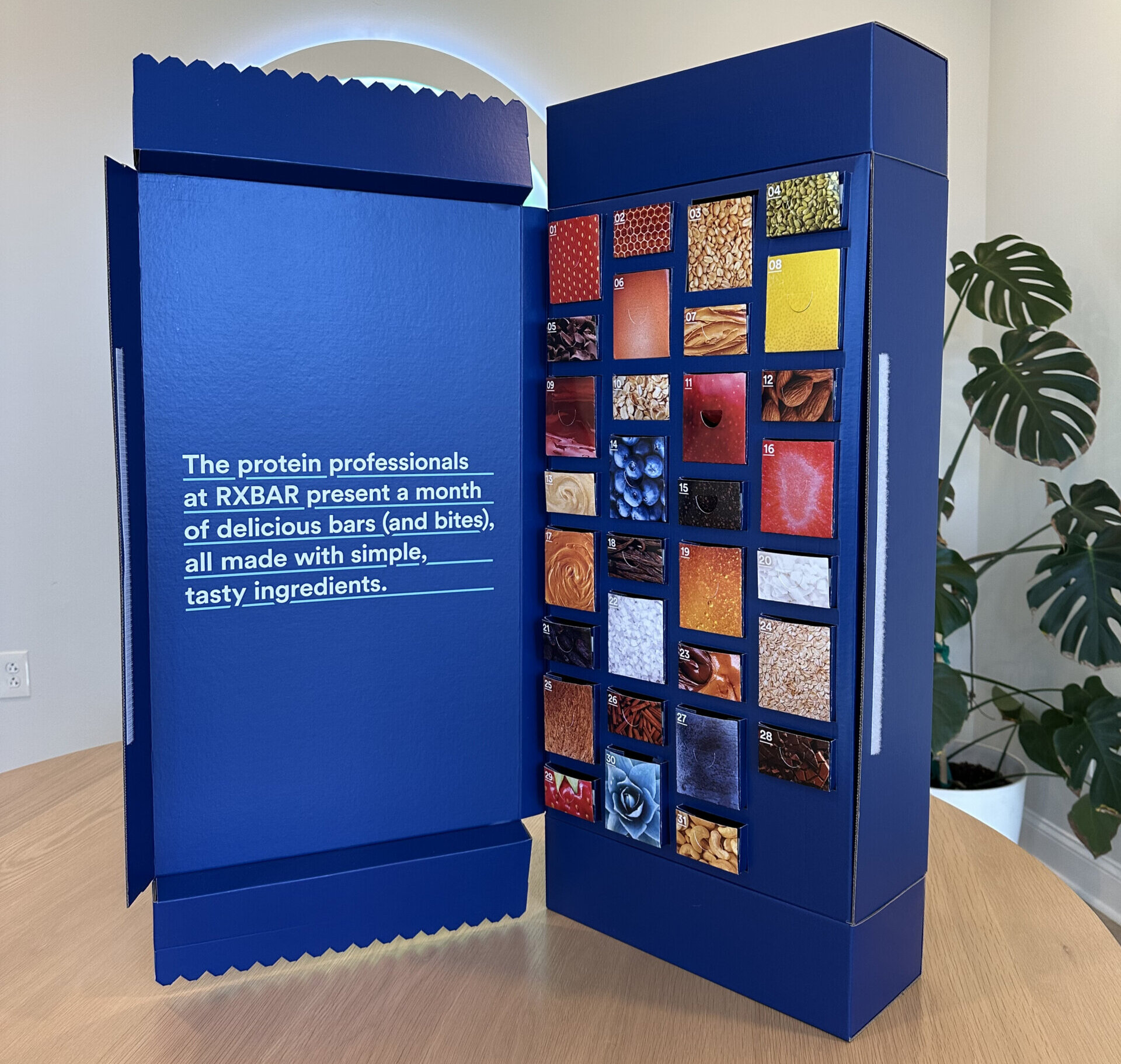
- Welcome packets and folders
5. Environmental graphics and experiential print
Environmental graphics move beyond traditional signage to fully shape the event space itself.
Common applications include:
- Wall murals and large-format graphics
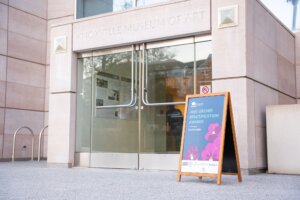
- Window and glass applications
- Floor graphics and directional pathways
- Stage environments and scenic builds
- Custom installations for photo opportunities
6. Promotional and takeaway materials
Takeaway pieces ensure the event continues beyond the venue, reinforcing messaging and extending brand presence after attendees leave.
Common applications include:
- Post-event recap or summary cards
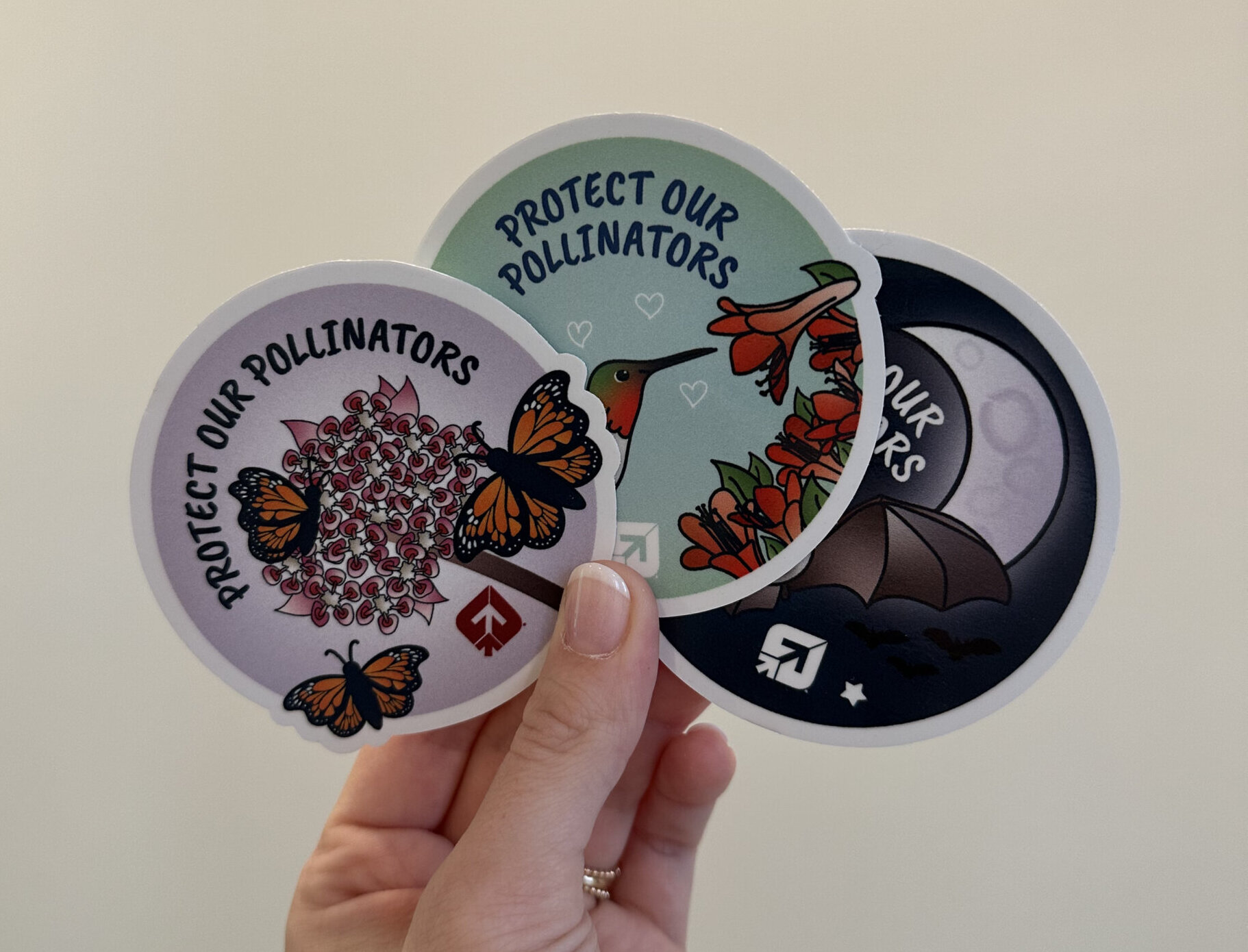
- Branded giveaways and promotional items
- Leave-behind kits or samples
- Thank-you or follow-up materials
Bringing it together
Effective event print is not about producing isolated pieces—it’s about building a cohesive system where every material contributes to both function and experience.
When material choices are made intentionally, they do more than support logistics. They enhance clarity, elevate presentation, and reinforce the overall environment of the event.
The result is a space that not only works well—but feels complete, consistent, and thoughtfully executed from every angle.