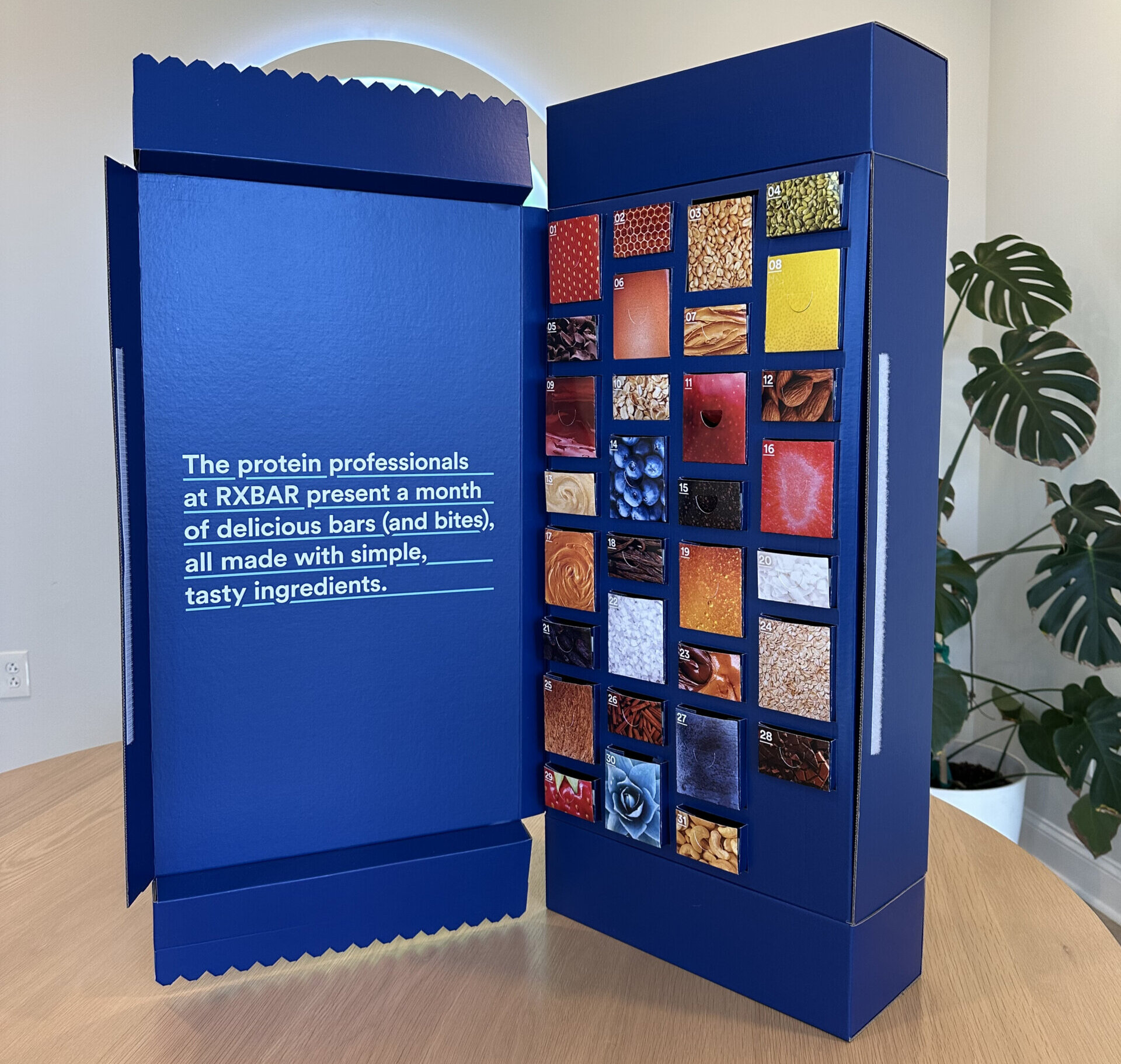
When people think of printing, they often assume ink is layered onto white paper. But advances in print technology have opened the door to new creative possibilities—one of the most impactful being printing with white ink. This specialized technique allows designers and brands to create bold, eye-catching graphics on materials that traditionally couldn’t display vibrant color.
What Is White Ink Printing?
White ink printing uses a layer of opaque white ink as either a base layer or a design element when printing on darker or transparent materials. Because standard CMYK inks (cyan, magenta, yellow, and black) are somewhat translucent, they often appear muted or nearly invisible when printed directly on dark surfaces. White ink solves this problem by creating a bright, opaque foundation that allows colors to remain vivid and readable.
In some cases, white ink is used purely as a background layer. In others, it becomes a featured part of the design, adding contrast, highlights, or unique visual effects.

Why White Ink Matters
White ink opens up new possibilities for both designers and businesses. Instead of being limited to white substrates, brands can print on a wide range of materials while still maintaining strong color and clarity.
Some key benefits include:
- Vibrant color on dark materials – Colors remain bright and accurate when printed over a white ink base.
- Creative design flexibility – Designers can selectively apply white ink to highlight certain elements or create layered effects.
- Premium visual impact – The contrast created by white ink often produces a more striking and high-end look.
This technique allows brands to stand out with designs that would otherwise be difficult—or impossible—to achieve with traditional printing.

Where White Ink Is Commonly Used
White ink printing is especially popular for projects where transparency, dark surfaces, or specialty materials are involved. Some common applications include:
- Window graphics and decals
- Clear or colored labels and packaging
- Acrylic or glass signage
- Retail displays and point-of-purchase graphics
- Specialty marketing materials
For example, when printing on clear window film, a white ink layer can make logos and text readable from both inside and outside the glass. Similarly, when printing on dark vinyl or acrylic, white ink ensures colors appear vibrant rather than faded.
A New Capability at High Resolutions
As part of our continued investment in advanced print technology, High Resolutions has
recently expanded our capabilities to include white ink printing. This addition allows us to offer clients even more creative flexibility when designing signage, graphics, and specialty print materials.
With this technology, we can now produce vibrant graphics on clear, dark, or specialty substrates—opening the door to new possibilities for window graphics, dimensional signage, branded environments, retail displays, and custom marketing materials.
Combined with our in-house design expertise and production team, this new capability allows us to help businesses create graphics that stand out in ways that weren’t previously possible.
As print technology continues to evolve, white ink is quickly becoming an essential tool for designers and brands alike. With these new capabilities in place, High Resolutions is excited to help our clients explore what’s possible and bring even more creative ideas to life.