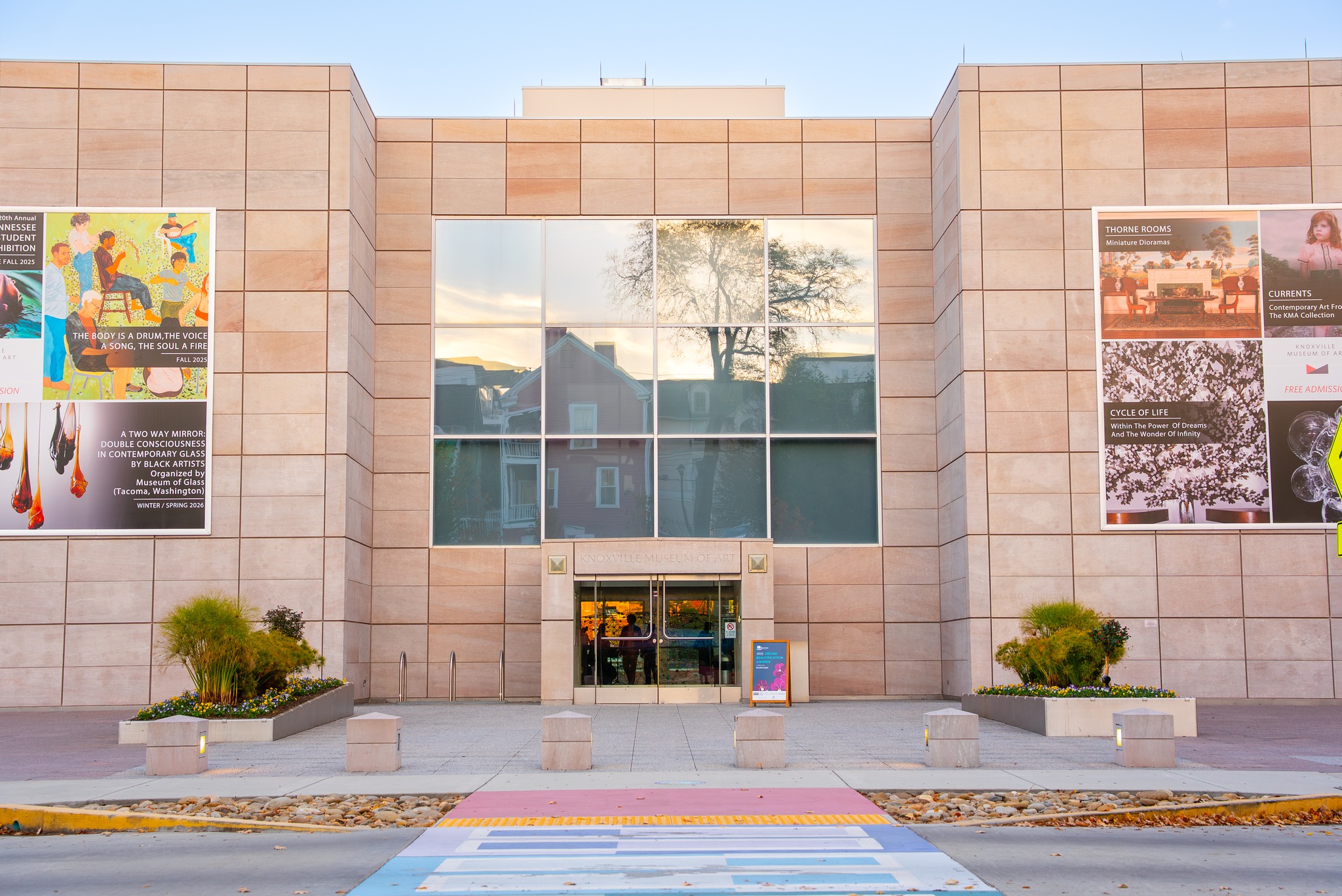
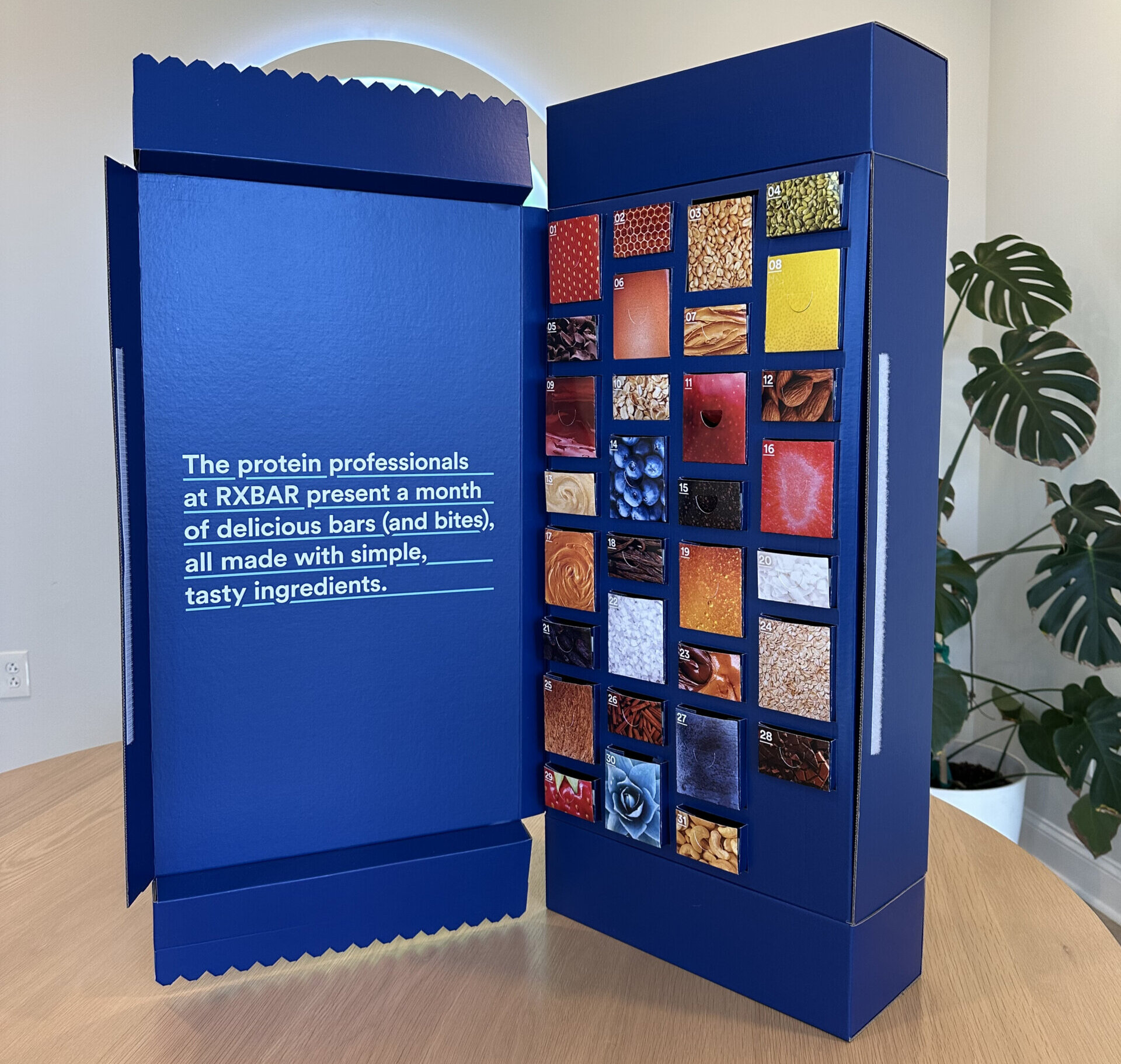
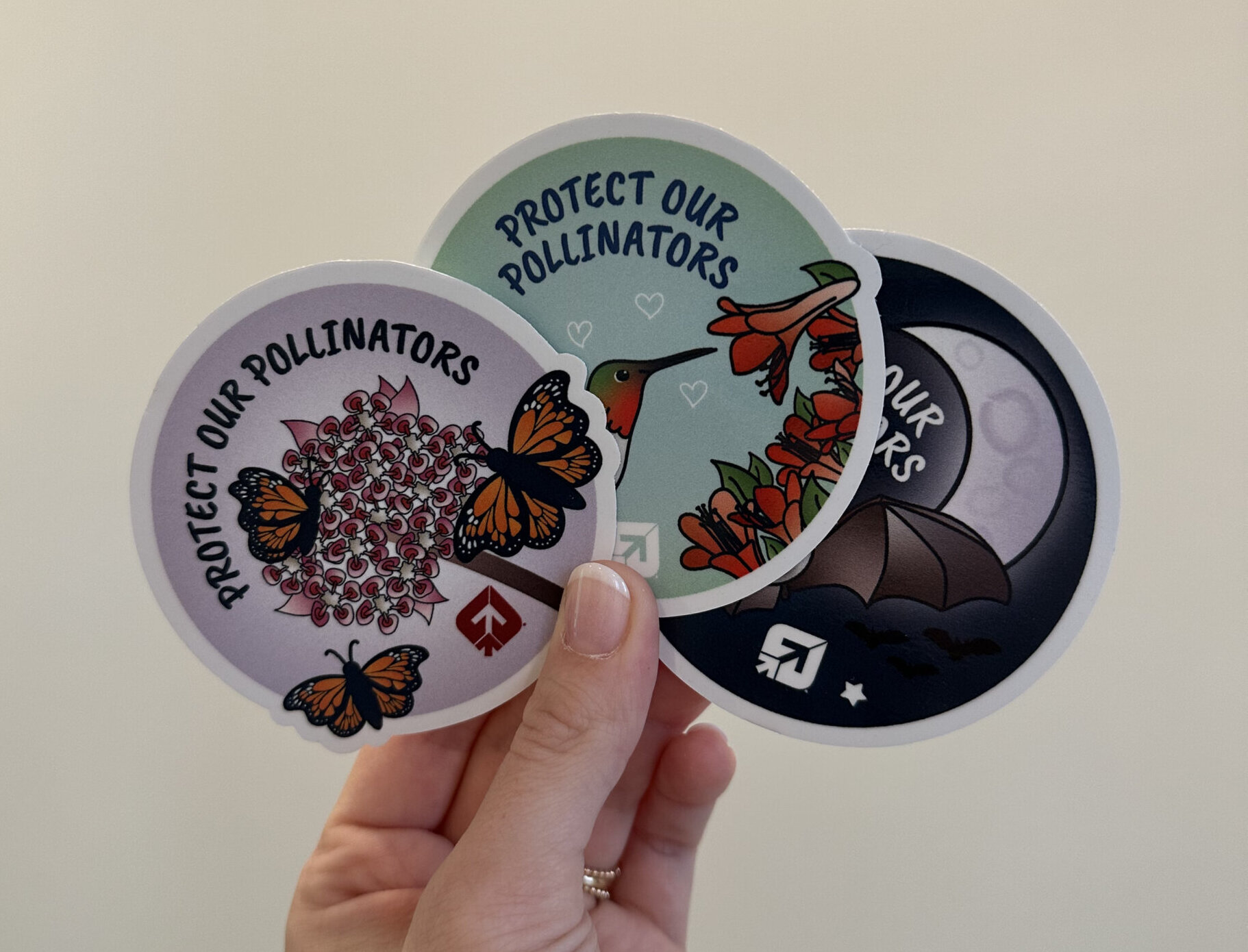
Whether you’re preparing for a corporate event, trade show, fundraiser, or community gathering, timing plays a bigger role than most people realize.
Event materials—signage, banners, printed handouts, apparel, and promotional items—don’t just appear overnight. And while last-minute production is sometimes possible, it often comes with added stress, limited options, and reduced flexibility.
A little planning up front can go a long way in ensuring your event looks polished, cohesive, and well thought out.
Here’s a practical timeline to help you plan ahead and order your event materials with confidence.

8+ Weeks Out: Start with Strategy
At this stage, the focus should be on the bigger picture.
- Define the purpose of your event
- Identify your audience
- Determine what materials you’ll need (signage, booths, handouts, apparel, giveaways)
- Begin working through branding, messaging, and layout concepts
This is also the ideal time to think through logistics:
- Will your event be indoors or outdoors?
- Do you need weather-resistant materials?
- Will anything require installation or special hardware?
Starting early gives you the flexibility to make thoughtful choices instead of rushed decisions.
4–6 Weeks Out: Move into Production Planning
With your direction set, this is when most print materials should be finalized and sent into production.
Common items to order during this window include:
- Banners and signage
- Printed materials (brochures, flyers, programs)
- Trade show displays or event backdrops
- Wayfinding signage
This timeframe allows for:
- Proper file setup and proofing
- Material selection based on your environment
- Adjustments without impacting your deadline
It also helps avoid the need for rush production, which can limit material choices and increase costs.

2–4 Weeks Out: Apparel & Promotional Items
Branded apparel and promotional products often require a bit more lead time than people expect—especially if they’re being ordered in bulk or customized.
This is a good window to finalize:
- T-shirts, polos, hats, or uniforms
- Giveaway items
- Branded packaging or kits
Planning ahead here ensures:
- Accurate sizing and quantities
- Consistent branding across items
- Enough time to address any production or shipping delays
1–2 Weeks Out: Final Checks & Logistics
At this point, most materials should already be in production or completed.
Your focus should shift to:
- Reviewing final proofs (if not already approved)
- Confirming delivery or pickup timelines
- Coordinating installation if needed
- Organizing materials for transport
This is also your buffer zone. Having everything ready before the final week gives you time to handle unexpected issues without added pressure.
Common Mistakes to Avoid
Even well-planned events can run into challenges. Here are a few of the most common pitfalls:
Waiting too long to start
Short timelines often lead to limited options and rushed decisions.
Overlooking the event environment
Materials that work indoors may not hold up outdoors. Durability matters.
Underestimating quantities
Running out of handouts or giveaways can leave a poor impression.
Skipping the proofing process
Small errors in print can become big issues once materials are produced.
Not allowing for shipping or installation time
Delays happen—building in extra time helps avoid last-minute stress.
Planning Ahead Makes the Difference
Strong event materials don’t happen by accident—they’re the result of thoughtful planning, clear communication, and ensuring there is enough time to do things well.
Working ahead of deadlines gives you the flexibility to make better decisions, avoid unnecessary stress, and ensure everything comes together the way you envisioned.
And in the end, that preparation shows—not just in how your materials look, but in how your entire event is experienced.